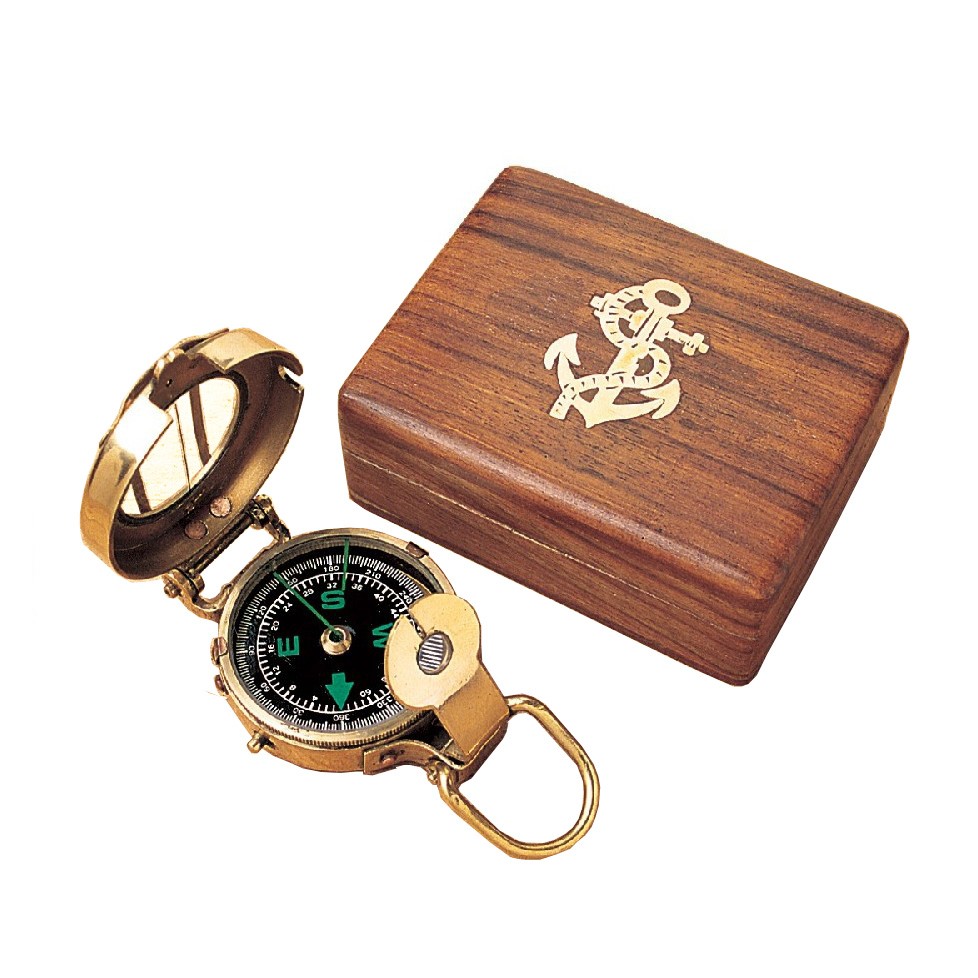

Brass "Engineering" compass and acacia wood box with anchor motif.
The compass (from the Latin "passus" ("step")) opened up the world to exploration and discovery. The principle of the magnetic needle was already known to the Chinese in the 3rd century BC and was first used by feng shui priests to tell them where and how to build. It was adapted to maritime navigation by Chinese sailors around the year 1000. The first compasses comprised a magnetic needle floating in a bowl of water, with the needle suspended on a thread or threaded through a reed. The Arabs perfected this by mounting the needle on a pivot. The compass arrived in Europe between the 10th and 11th centuries, enabling sailers to cross the oceans and explorers to discover the continents. The first instrument to resemble the modern compass is attributed to Portuguese citizen Ferrande (1483).
Brass "Engineering" compass and acacia wood box with anchor motif.
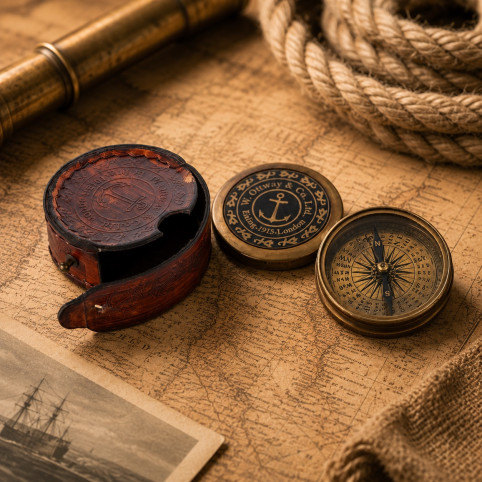
The compass opened the world of exploration and discoveries. The first compass consisted of a container filled with water in which a magnetic needle floated suspended from a thread or threaded through a reed. The Arabs perfect it by mounting it on an axis. It arrives in Europe between the 10th and 11th centuries, allowing navigators to cross the oceans...
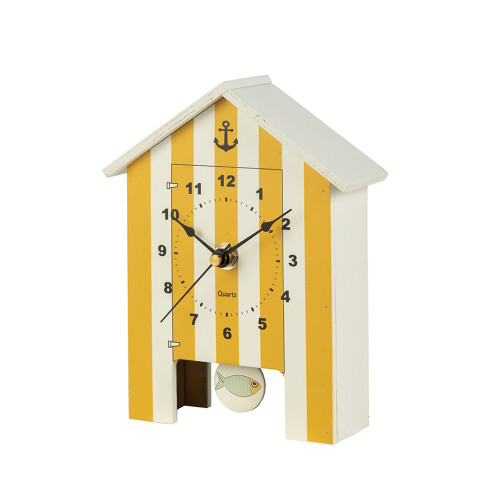
Original pendulum table clock in the shape of a beach hut. Give your home a touch of the coast with this exclusive clock. It is made of wood and handcrafted in Spain. A drawing of a marine sailboat is printed on the pendulum. This is a gift idea for those in love with the sea and the beach. It works with one AA battery (not included) that can be easily...
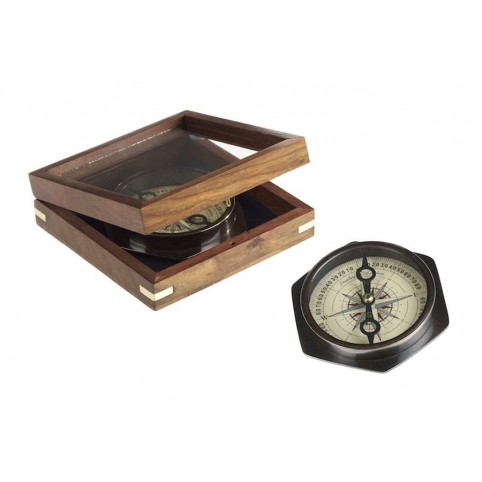
Antiqued brass compass with a box of rosewood and glass.
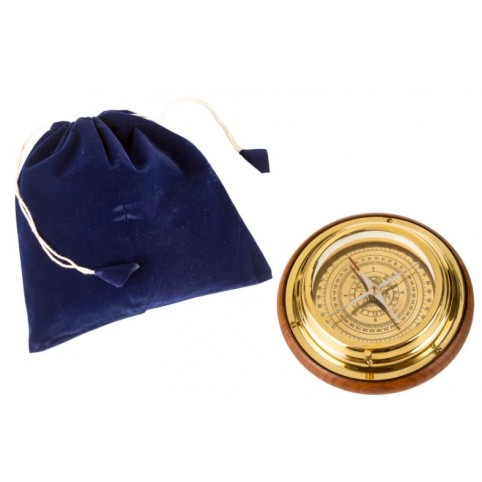
Antique brass compass with dial mounted in an acacia wood base.
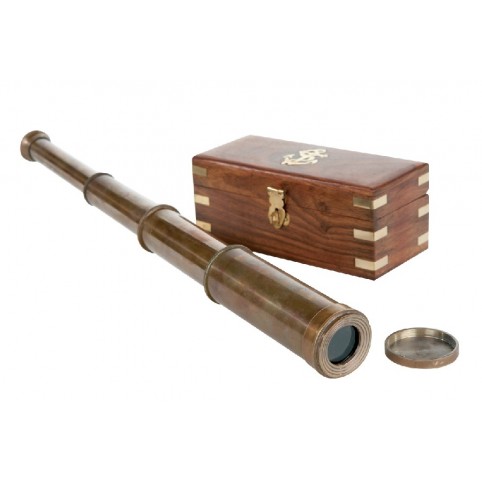
Reproduction of a 4-tube telescope in aged brass. Delivered with a beautiful sheesham wood box decorated with brass inlays. The spyglass arose between the 16th and 17th centuries. The creation is attributed to the Dutch Hans Lippershey. In the past it was used mainly by sailors and naturalists.
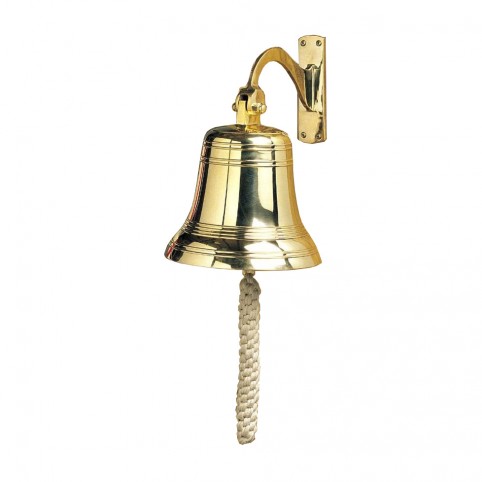
Campana de a bordo en latón con su cuerda para accionar el badajo. En tiempos remotos fue un instrumento vital, pues servía de alarma en situaciones de niebla intensa, celebrar algún acontecimiento con su repique y sobretodo, regular la vida a bordo picando la hora para marcar los cuartos de guardia.