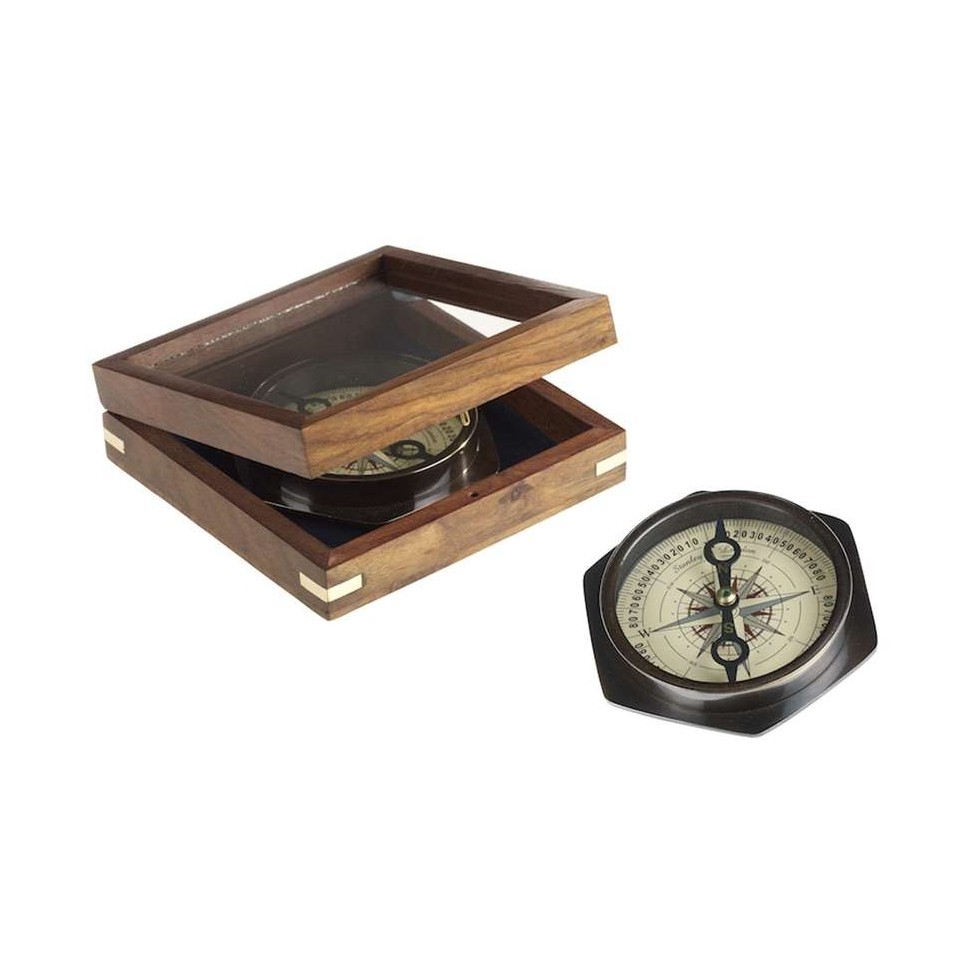
Antiqued brass compass with a box of rosewood and glass.
The compass (from the Latin "passus" ("step")) opened up the world to exploration and discovery. The principle of the magnetic needle was already known to the Chinese in the 3rd century BC and was first used by feng shui priests to tell them where and how to build. It was adapted to maritime navigation by Chinese sailors around the year 1000. The first compasses comprised a magnetic needle floating in a bowl of water, with the needle suspended on a thread or threaded through a reed. The Arabs perfected this by mounting the needle on a pivot. The compass arrived in Europe between the 10th and 11th centuries, enabling sailers to cross the oceans and explorers to discover the continents. The first instrument to resemble the modern compass is attributed to Portuguese citizen Ferrande (1483). Antiqued brass compass with a box of rosewood and glass.
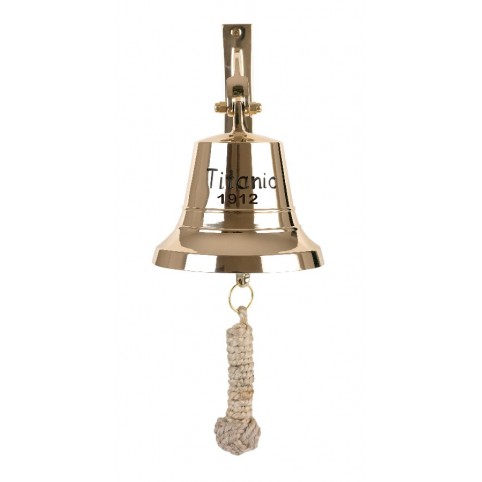
"TITANIC" ship's bell in brass with lanyard. In the past this essential instrument was used to organise life on board by regulating the duty watches. It was also used as an alarm bell in thick fog and to mark celebrations.
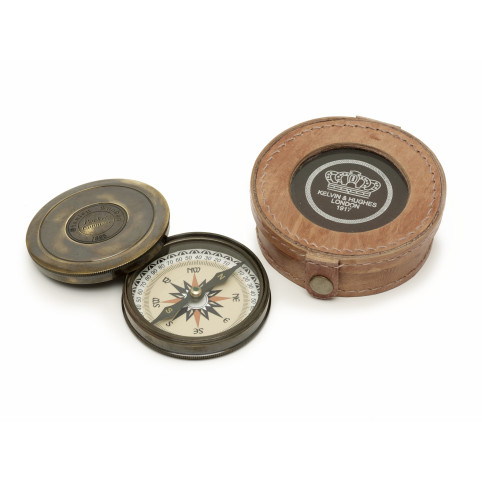
Original reproduction of a pocket compass made of brass with an antique finish and protected in a leather case. A beautiful compass rose appears at the bottom of this decorative compass. For lovers of the sea and sailing! Measurements: 7.5x2x7.5 cm. Box: 10x3.5x10 cm.
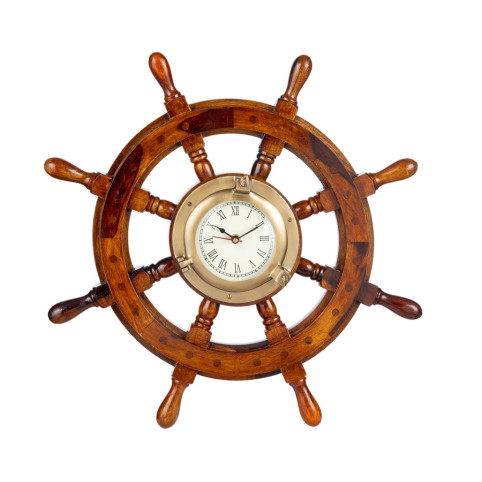
Decoration 8-spoke ship's wheel with clock. Rosewood with 3-hand clock in brass.
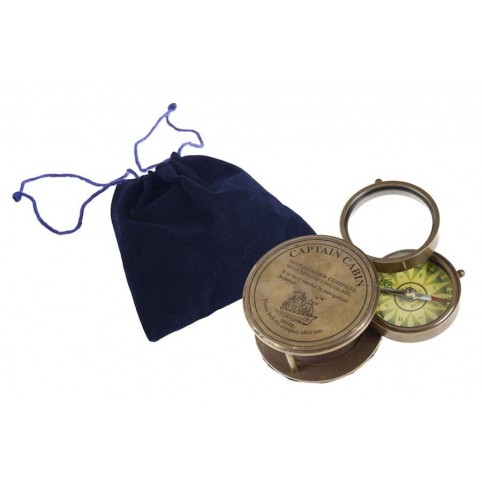
Old brass compass with glass magnifier and rotating lid to protect the glass. Comes in an attractive blue velvet bag.
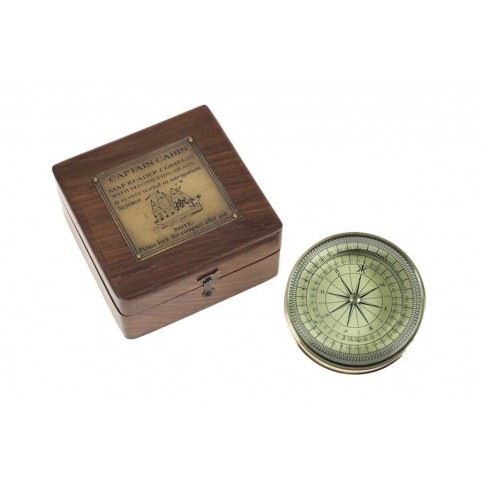
BRUJULA CON LUPA EN CAJA DE PALISANDRO
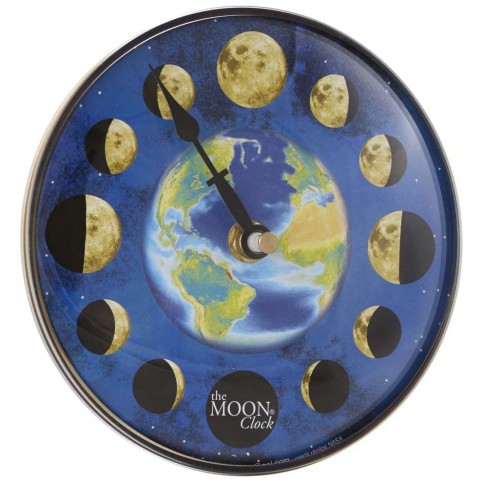
High-precision moonphase watch from the prestigious IMEX Marine brand. Clear acrylic frame. Made in Spain. 1 year warranty. 13.6x136x3 cm.